
Cabinet Hinge Types: A Comprehensive Guide to Choosing the Right Hinges for Your Cabinets
2023-08-02
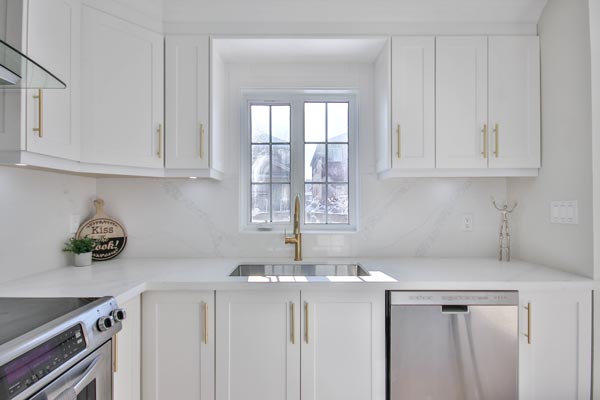
Introduction:
Cabinet hinges may seem like small components, but they play a crucial role in the functionality and aesthetics of cabinets. Whether it's kitchen cabinets, wardrobe doors, or even shower enclosures, the right cabinet hinges are essential for smooth and reliable operation. In this comprehensive guide, we will explore various cabinet hinge types, including shower door hinges, kitchen cabinet hinges, and wardrobe hinges, and provide insights into selecting the right hinges for your cabinets.
1. Understanding Cabinet Hinges
Cabinet hinges are mechanical devices that allow cabinet doors and drawers to pivot or swing open and closed. They are the joints that connect the moving parts of cabinets, providing support and allowing for easy access to stored items. The choice of cabinet hinges significantly influences the overall functionality and durability of the cabinets.

2. Overview of Common Cabinet Hinge Types
Concealed Hinges
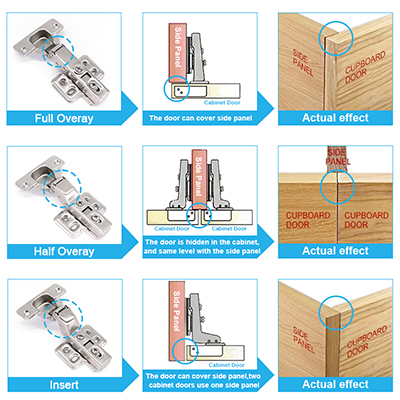
· Full Overlay Concealed Hinges: Ideal for cabinets with doors that cover the entire face frame, providing a clean and seamless look.
· Half Overlay Concealed Hinges: Suitable for cabinets with doors that partially cover the face frame, offering a more traditional appearance.
· Inset Concealed Hinges: Designed for inset cabinet doors that are flush with the cabinet frame, creating a timeless and classic look.
Surface-Mount Hinges
· Butt Hinges: Commonly used for cabinets with overlay doors, featuring a visible hinge design that adds a decorative touch.
· Flush Hinges: Suitable for cabinets with flush doors, where the hinge is recessed into the door and frame, creating a clean and minimalist look.

European Hinges
· Frameless European Hinges: Specifically designed for frameless cabinets, offering easy installation and a sleek, modern appearance.
· Face Frame European Hinges: Suitable for cabinets with face frames, providing adjustability and a clean look.

Pivot Hinges
Pivot hinges are commonly used for heavy or large cabinet doors, allowing them to swing open from the top or bottom.

Continuous Hinges (Piano Hinges)
Continuous hinges are long, narrow hinges that extend the full length of the cabinet door, providing strength and durability.

3. Key Factors to Consider When Choosing Cabinet Hinges
Selecting the right cabinet hinges involves considering various factors to ensure optimal performance and aesthetics. Some essential factors include:
1.Cabinet Door Type and Material
Understanding the type of cabinet doors you have is crucial in choosing the appropriate hinges. Different door types, such as full overlay, half overlay, or inset, require different hinge configurations. Full overlay doors cover the entire face frame, while half overlay doors partially cover it. Inset doors are set flush within the cabinet frame. Each door type demands specific hinge options to achieve the desired functionality and appearance.
The material of the cabinet doors is also a consideration. Hinges must be compatible with the door material, ensuring that the weight is adequately supported and that the door operates smoothly without unnecessary strain on the hinges.
2.Overlay and Inset Requirements
Overlay and inset requirements are closely tied to the cabinet door type. Overlay refers to the amount by which the cabinet door covers the cabinet frame. A full overlay door will completely cover the frame, whereas a partial overlay door will leave part of the frame visible.
Inset doors, on the other hand, are set inside the cabinet frame, creating a flush and seamless look. The hinge selection should match the overlay and inset requirements to ensure proper door alignment and functionality.
3.Opening Angle and Accessibility
The opening angle of the cabinet door is an important consideration, particularly in tight spaces or where multiple doors might open near each other. Some hinge types offer greater opening angles, allowing the door to swing further back and providing better access to the cabinet's contents.
Accessibility is also a factor to consider, especially in spaces where ease of use is essential. Soft-close and self-close hinges are popular choices, as they ensure that doors close gently and silently, reducing wear and tear while enhancing user experience.


- 45° hinge 90° hinge 165° hinge
4.Soft-Close and Self-Close Features
Soft-close and self-close features in cabinet hinges have become increasingly popular due to their practicality and added value. Soft-close hinges gently guide the cabinet door to a close, preventing slamming and reducing noise. Self-close hinges automatically close the door once it reaches a certain angle, ensuring that doors do not remain ajar unintentionally.
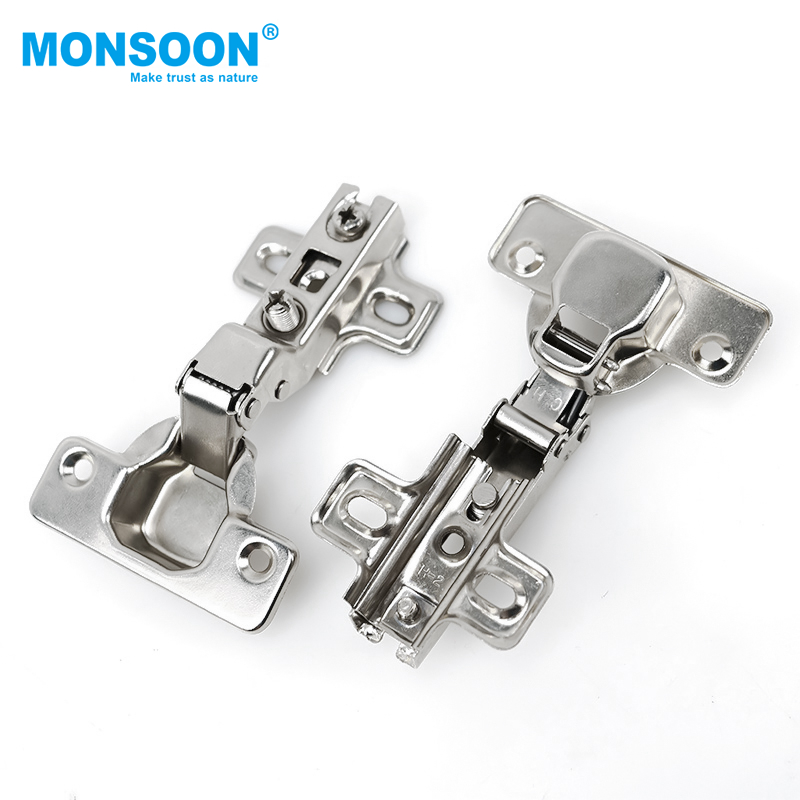
 source of the picture:MONSOON
5.Aesthetics and Design Preferences
Cabinet hinges play a role not only in functionality but also in the overall aesthetics of the cabinets. Concealed hinges, for example, provide a clean and modern look as they remain hidden from view when the cabinet doors are closed. On the other hand, exposed or decorative hinges can add character and charm to traditional or rustic cabinet designs.
6.Weight Capacity and Durability
Ensuring that the selected hinges can support the weight of the cabinet doors is crucial for long-term durability. Heavy doors require robust hinges to avoid sagging or misalignment over time. High-quality hinges made from durable materials will withstand the test of time and continuous use, providing reliable performance for years to come.
4. Pros and Cons of Each Cabinet Hinge Type
Understanding the advantages and disadvantages of each hinge type is crucial in making an informed decision. Each type of hinge offers unique benefits, and considering the specific requirements of your cabinets will help you choose the most suitable option.
1. Concealed Hinges
Pros:
- Sleek and Modern Look: Concealed hinges are hidden from view when the cabinet doors are closed, providing a clean and seamless appearance.
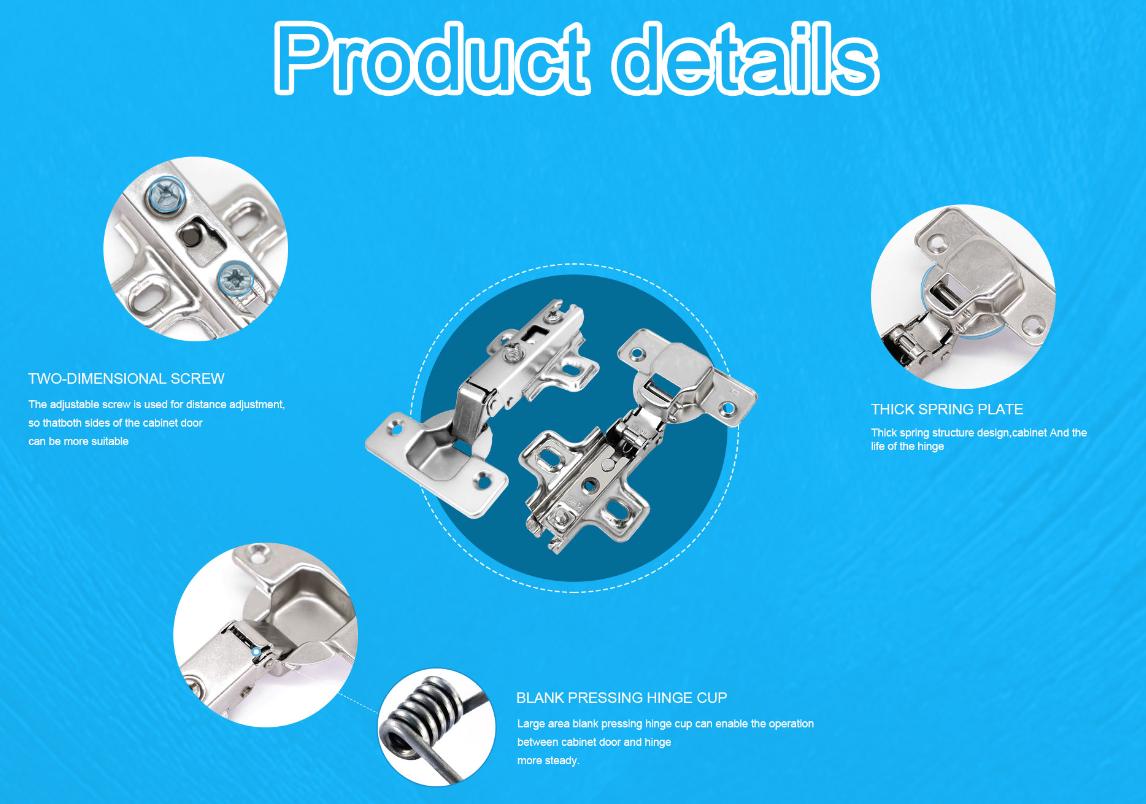
- Adjustable: Most concealed hinges offer three-way adjustability, allowing precise alignment of cabinet doors for a perfect fit.
- Wide Opening Angle: Many concealed hinges provide a wide opening angle, allowing better access to the cabinet's contents.
- Soft-Close Option: Concealed hinges often come with soft-close features, reducing noise and preventing cabinet doors from slamming shut.
Cons:
- Installation Complexity: Installing concealed hinges may require some expertise and precision, making professional installation recommended.
- Cost: Concealed hinges can be more expensive than traditional surface-mount hinges due to their sophisticated design and features.
2.Surface-Mount Hinges
Pros:
- Easy Installation: Surface-mount hinges are relatively straightforward to install, making them a popular choice for DIY projects.
- Visible Design: For some cabinet styles, exposed surface-mount hinges can add a decorative touch and complement the overall design.
- Variety of Styles: Surface-mount hinges come in various styles, including butt hinges, flush hinges, and decorative designs, offering versatile options.
Cons:
- Visible Hinges: Unlike concealed hinges, surface-mount hinges are visible when the cabinet doors are closed, which may not suit modern design preferences.
- Limited Adjustability: Surface-mount hinges may have limited adjustability compared to concealed hinges, affecting door alignment.
5. Selecting the Right Cabinet Hinges for Specific Applications
Different areas of the home may have varying cabinet hinge requirements. For example:
Kitchen Cabinets: May benefit from concealed or European hinges to achieve a sleek and modern look.

Bathroom : May require hinges that can withstand humidity and moisture, such as concealed hinges.

Wardrobe Doors: May benefit from hinges with soft-close features for silent and smooth closing.

6. Installation and Maintenance Tips for Cabinet Hinges
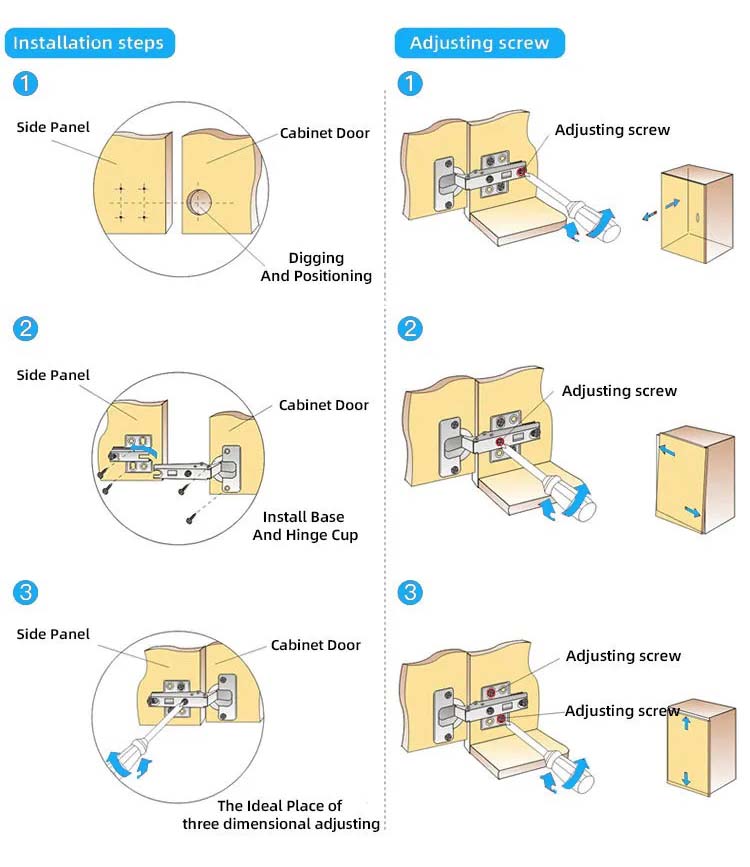
Proper installation and maintenance of cabinet hinges are essential to ensure their optimal performance and longevity. Following manufacturer guidelines and regularly checking for adjustments or lubrication will keep your cabinet hinges in top condition.
7. Cabinet Hinges and Interior Design Trends
As cabinet hinges become more innovative and visually appealing, they are now considered design elements. Integrating the right hinges with cabinet hardware and interior decor can elevate the overall aesthetics of your cabinets.

Conclusion:
Cabinet hinges, including shower door hinges, kitchen cabinet hinges, and wardrobe hinges, are vital components that impact both the functionality and appearance of cabinets. Choosing the right cabinet hinges involves considering various factors and understanding the advantages and disadvantages of different hinge types. By carefully selecting the appropriate hinges for your cabinets, you can ensure smooth and reliable operation while achieving the desired aesthetic appeal in your living spaces.
Related Articles
 How to Install a Hinged Glass Shower Door? 2023-08-03 175
 Cylindrical Locks: Securing Your World with Simplicity and Reliability 2023-07-11 172
 Guide for Choosing Furniture Hardware Suppliers 2023-06-27 148
 Why do We Need Change Furniture Hardware Fluently 2023-06-05 137
 How to Clean Drawer Slides: A Guide for a Smoother Glide 2023-05-15 204
 Material of Door Handle 2023-05-15 172
 How to Change Door Knob? 2023-05-05 137
 Benefits of Incorporating High-Quality Furniture Hinges into Monsoon's Designs 2023-05-17 231
 How to Clean Furniture Hardware? 2023-05-05 140
 Door Handle: A Complete Guide to Choosing the Right One 2023-05-03 153
 How to Adjust Cabinet Hinges? 2023-04-27 164
 Choosing the Perfect Cabinet Hinges 2023-04-14 149
 Key Considerations for Choosing the Right Furniture Hardware 2023-04-10 192
 How To Choose The Drawer Slide? 2023-03-23 162
 Where to Buy Premium Quality Furniture Hardware at Wholesale Rates? 2023-02-28 232
